


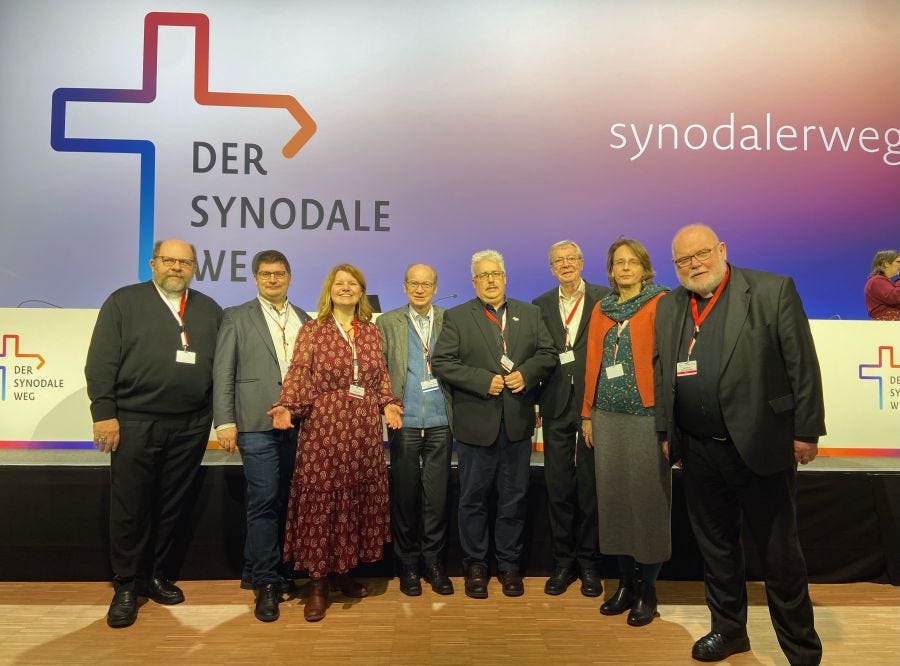
The German Synodaler Weg has reached a moment that is no longer adequately described as tension or controversy. What is now visible is a process that has completely lost any coherence, authority, and credibility it ever had, both within Germany and in relation to the universal Church. What began in 2019 as a response to the abuse crisis, framed as a forum for listening and reform, has gradually evolved into something far more ambitious and far more problematic: an attempt by a national church to press structural and doctrinal change while presuming eventual Roman acquiescence.
From the outset, the Holy See signalled that the German initiative could not claim competence over matters of doctrine, sacramental theology, or episcopal governance. Those cautions were reiterated repeatedly over the years, most notably with respect to proposals for a permanent synodal council that would exercise binding authority over bishops. Rome made clear that such a body was incompatible with Catholic ecclesiology and could not be established by a national process. Yet the leadership of the Synodal Way continued to advance precisely these proposals, often presenting them as organic developments of synodality rather than as innovations that required universal assent.
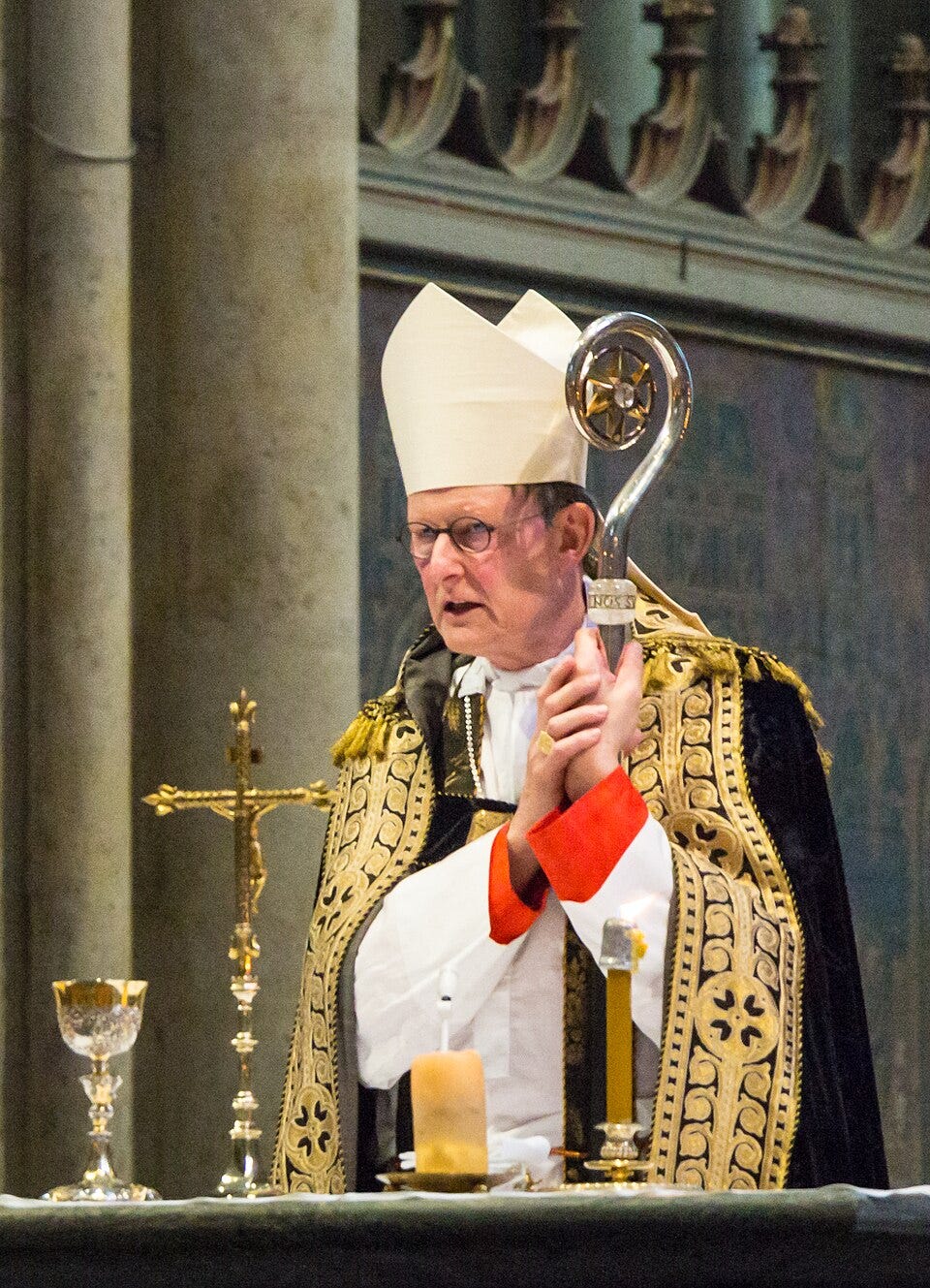
The fault lines within the German episcopate have now become impossible to ignore. Cardinal Rainer Maria Woelki’s decision to withdraw entirely from the process and to absent himself from the sixth assembly is not an act of protest but of delimitation. He has argued consistently that the Synodal Way was authorised for a fixed number of assemblies and that its extension beyond that framework, particularly in pursuit of structures Rome has explicitly rejected, exceeds its mandate. His withdrawal underscores a decisive loss of episcopal unanimity. Synodality, whatever else it may mean, cannot function when bishops are effectively asked to participate in processes whose outcomes are already assumed.
At the same time, Bishop Georg Bätzing, the outgoing President of the German Bishops’ Conference, has adopted a tone of guarded confidence. He has stated publicly that the synodal conference will not proceed without the Pope’s approval, describing it as a provocation to be avoided. Yet in the same breath, he has expressed confidence that such approval will be forthcoming. This posture is revealing. It acknowledges Rome’s authority formally while treating its repeated objections as obstacles to be managed rather than judgments to be received. The insistence that approval is inevitable does not reflect the substance of Rome’s interventions over the past several years; it reflects an assumption that resistance will ultimately yield.