


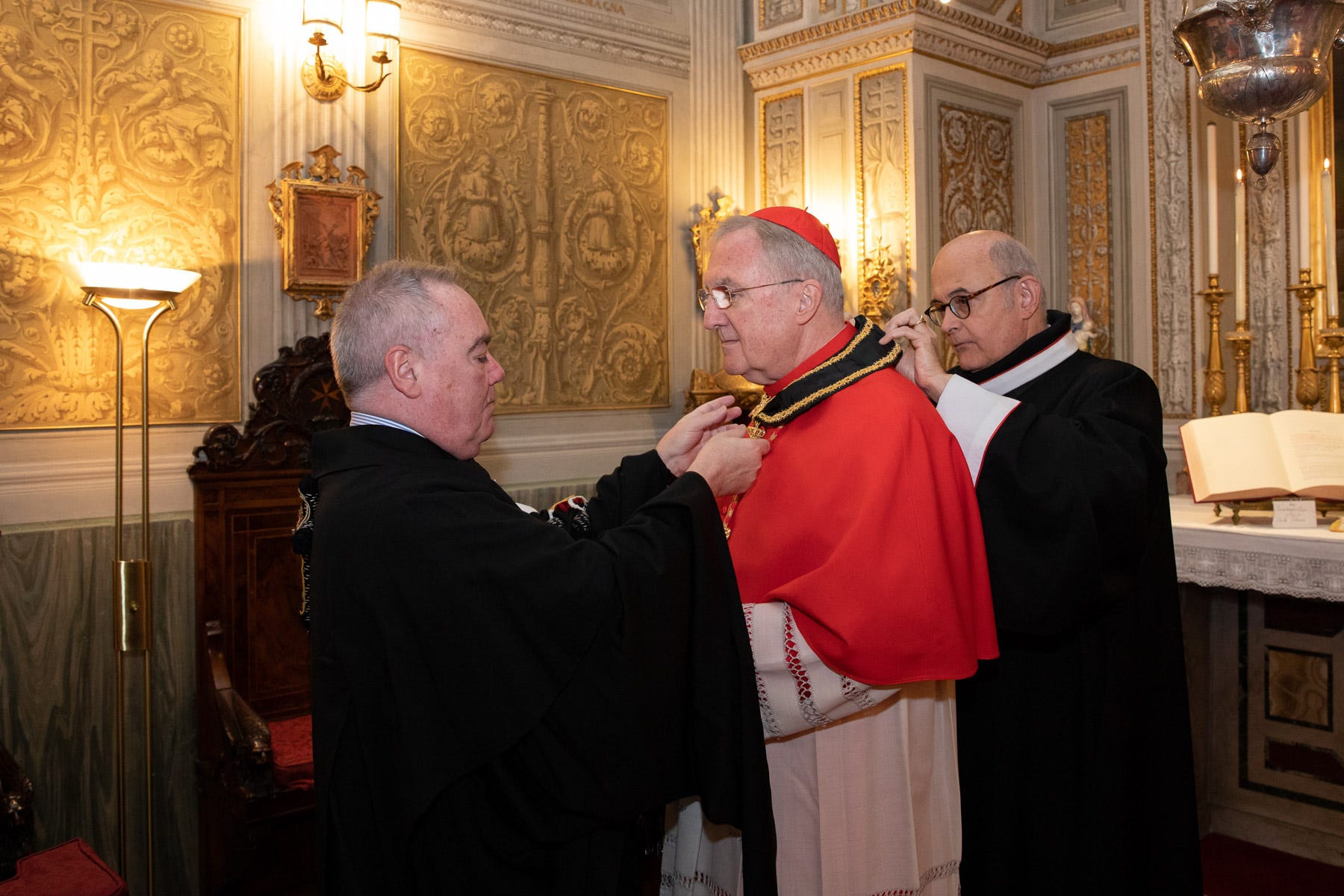
There are increasing reports from Rome that Cardinal Arthur Roche may be on the move, possibly to the Order of Malta. The suggestion, circulated by veteran Vatican journalist Damian Thompson, remains unconfirmed. But even as speculation it has travelled quickly, and not without reason. Roche has come to embody, for many clergy and theologians, the most controversial features of the Francis pontificate’s approach to the liturgy, especially in the wake of Traditionis Custodes and the subsequent clarifications which were widely judged to have deepened rather than resolved the theological tensions at stake. If his tenure is now drawing to a close, at the natural end of his term and at an age where renewal would be unusual, then his possible departure will inevitably be read as more than administrative housekeeping.
Yet the real significance of this moment lies not in Roche himself, but in the pattern of decisions now emerging under Pope Leo XIV. The temptation is to interpret each move in isolation, as though Rome were still operating according to the rhythms of personality and faction that characterised so much of the previous pontificate. What is now becoming visible, however, is something quieter and more consequential. A change taking place beneath the headlines, a more consequential change of method.
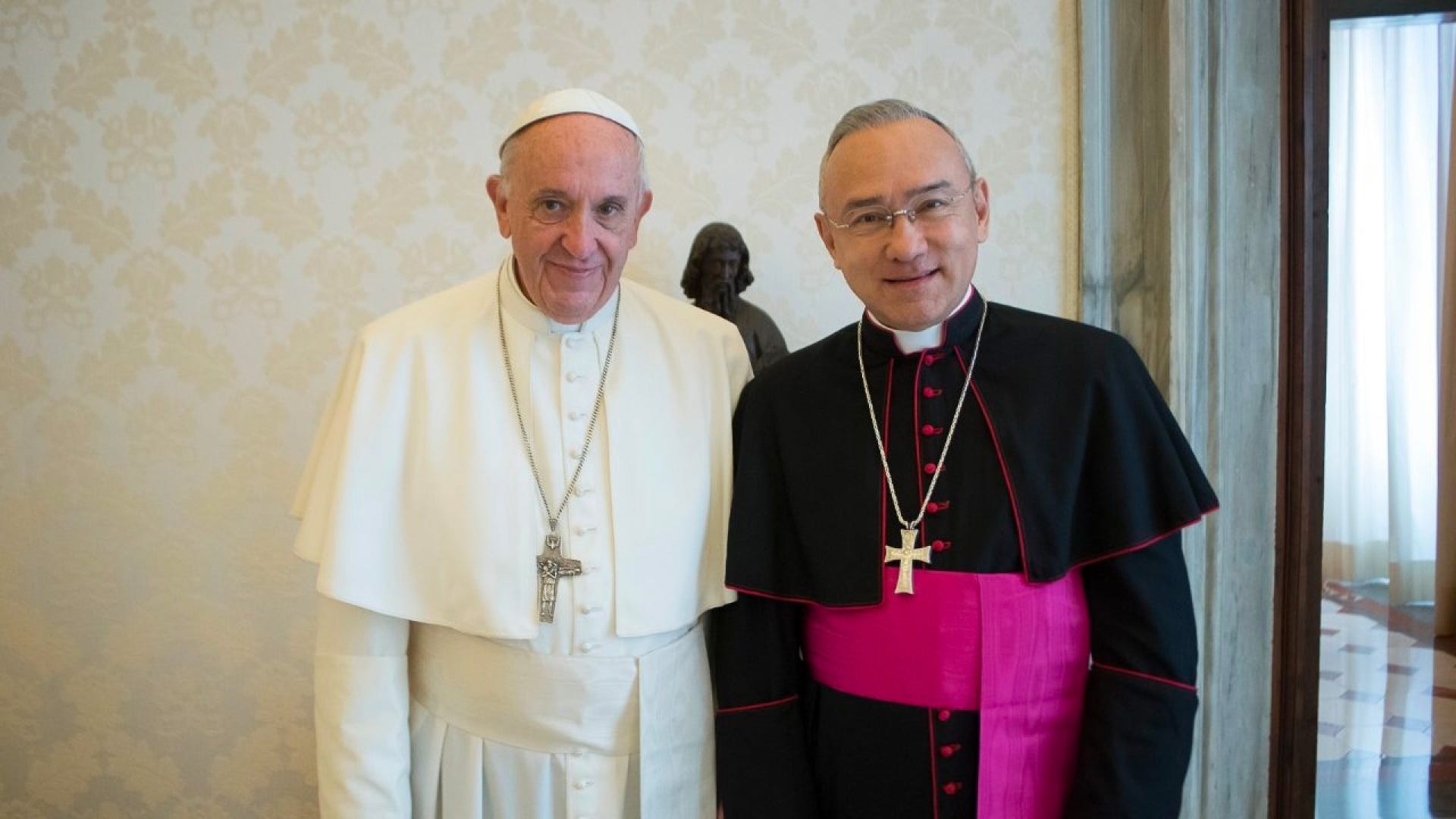
The clearest sign of this is the removal of Edgar Peña Parra from the office of Substitute for General Affairs of the Secretariat of State. This is not a peripheral adjustment. The sostituto sits at the very centre of the Church’s administrative life, controlling the daily flow of documents and decisions that pass across the papal desk. For years that office has been associated, fairly or unfairly, with controversy, opacity and a style of governance that relied heavily on informal relationships and internal manoeuvre. Peña Parra’s reassignment to the Italian nunciature therefore marks a decisive shift away from that centre of gravity.
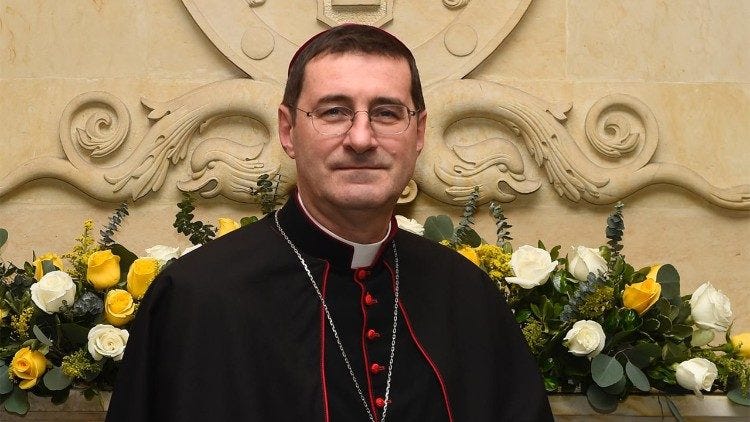
In his place Leo has appointed Paolo Rudelli, a diplomat whose formation and career speak for themselves. Rudelli is not a public polemicist or a figure of ideological alignment. He is a man of the system in the best sense of the term. Trained in moral theology, formed at the Pontifical Ecclesiastical Academy, and with more than two decades in the diplomatic service, he has served in Ecuador and Poland, worked within the Secretariat of State itself, represented the Holy See at the Council of Europe in Strasbourg and held nunciatures in Zimbabwe and Colombia. This is the profile of someone chosen not to signal a faction, but to ensure that the machinery of governance functions as it should. His appointment is not dramatic, but it is deeply revealing.
The same instinct can be seen in other recent decisions. Before elevating Rudelli, Leo had already begun rebuilding the Secretariat of State by appointing a new assessor in Anthony Onyemuche Ekpo, a younger canonist and theologian with experience in the same section. He has also moved Filippo Iannone, himself a canon lawyer, to the Dicastery for Bishops, and named Anthony Randazzo to succeed him at Legislative Texts. None of these appointments lends itself easily to the language of camps or parties. What they share instead is a clear preference for men formed in law, diplomacy and institutional responsibility. It is a preference that suggests a deliberate rebalancing of priorities: away from improvisation and towards structure, away from personal networks and towards competence that can be recognised and relied upon.
Even the decision to fill the long-vacant office of Prefect of the Papal Household points in the same direction. By appointing Petar Rajič to a role that had remained empty for more than six years, Leo is restoring a basic element of order to the management of papal audiences and access. Such decisions rarely attract attention, but in Rome they matter. They indicate whether a pontificate intends to govern through clearly defined offices or (as Francis did) through looser, more personalised arrangements.
It is against this backdrop that the Pope’s recent message to the bishops of France takes on its full significance. The text, issued through the Secretariat of State, addressed the question of the liturgy in a tone notably different from that which prevailed in recent years. It spoke of the need to reflect on how communities attached to the Vetus Ordo might be welcomed and warned against the danger of a wound within the Church. Read in isolation, the letter might be taken as a pastoral gesture. Read in context, especially in light of the tensions that had already surfaced in France and the controversy surrounding the nuncio’s reported remarks, it looks more like a quiet but unmistakable recalibration. The machinery of the Curia is being asked to think again.
At this point, the Roche speculation returns, but in a different light. If he does move, it will not be because a single figure has fallen from favour, nor because a new regime seeks to exact retribution on the old. It will be because the conditions that made his tenure possible are themselves changing.