


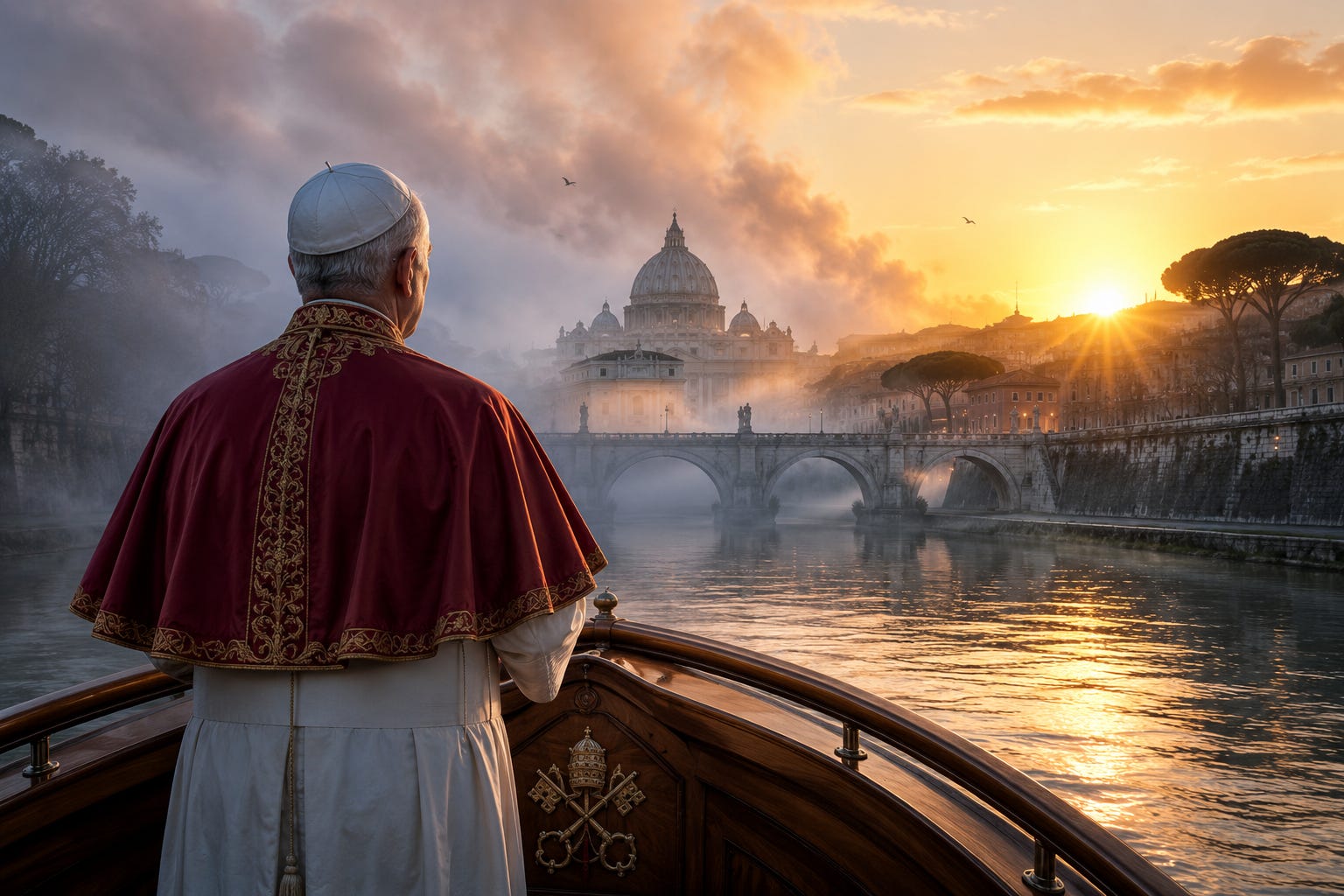
The speed with which ecclesiastical weather can change is one of the more remarkable features of Church life. For more than a decade, many Catholics had the distinct impression that certain questions could no longer be asked. Concerns from informed laity but even from Cardinals about Amoris Laetitia were dismissed as rigidity or simply ignored. Reservations about synodality were treated as resistance to the Holy Spirit…or at least The Spirit (™). To raise objections was often to find oneself assigned to the category of the troublesome, the nostalgic or the fearful. Or maybe find yourself without a job, like Bishop Joseph Strickland. So much for dialogue and journeying together eh?
But now, in recent weeks something rather striking has happened.
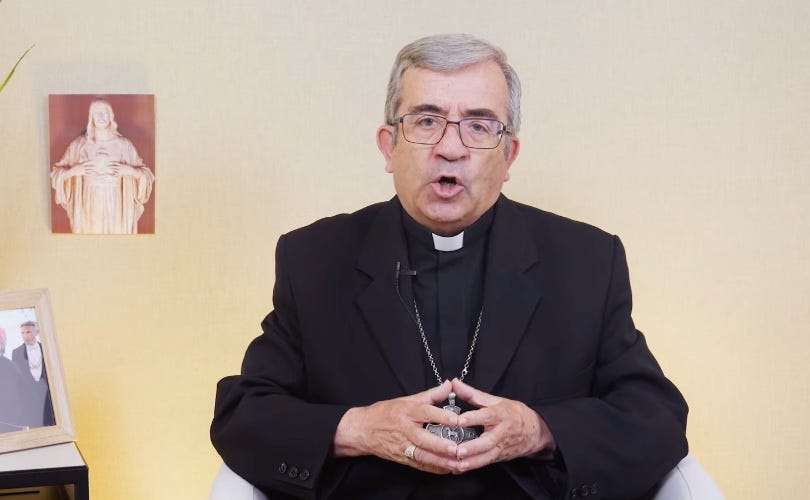
Just days before the visit of Pope Leo XIV to Spain, Archbishop Luis Argüello, President of the Spanish Bishops’ Conference, issued a pastoral clarification stating that Catholics who have entered a new union while a valid sacramental marriage still exists may not receive Holy Communion. The statement amounted to a direct reaffirmation of the perennial sacramental discipline of the Church and, in practical terms, stood in obvious tension with the interpretation of Amoris Laetitia that dominated much of the Francis era.
Now another development has emerged from Poland.
A group of Polish Catholics led by Dr Artur Dąbrowski, President of Catholic Action in the Archdiocese of Częstochowa, has published a lengthy open letter denouncing the Final Document of the Synod on Synodality. The letter accuses the Synod of subordinating the Deposit of Faith to process, ambiguity and inclusivity, warning that the Church risks being transformed from a divinely instituted guardian of revealed truth into a permanently evolving forum of discussion. The authors do not merely express reservations. They describe the document as “deeply anti-Catholic” and call upon bishops to abandon diplomatic evasions and state clearly where they stand. What is noteworthy is not simply the content of these interventions but their timing.
For years now, many bishops, priests and lay Catholics privately expressed concerns about the trajectory of the Francis pontificate. Some worried about the confusion generated by Amoris Laetitia. Others feared that synodality was gradually becoming less a method of consultation and more a mechanism for introducing theological and pastoral changes that could not easily be justified through the Church’s ordinary doctrinal categories (as we have discussed in depth many times now on Catholic Unscripted). Many believed that doctrinal clarity was increasingly giving way to pastoral ambiguity. Yet sadly, relatively few were prepared to say so publicly.