


Pope Leo XIV has offered his clearest defence yet of the liturgical reform that followed the Second Vatican Council, arguing that the revision of the Church’s liturgical books was considered “necessary” in order that the riches of the liturgy might become more accessible to the faithful and their participation more conscious and active.
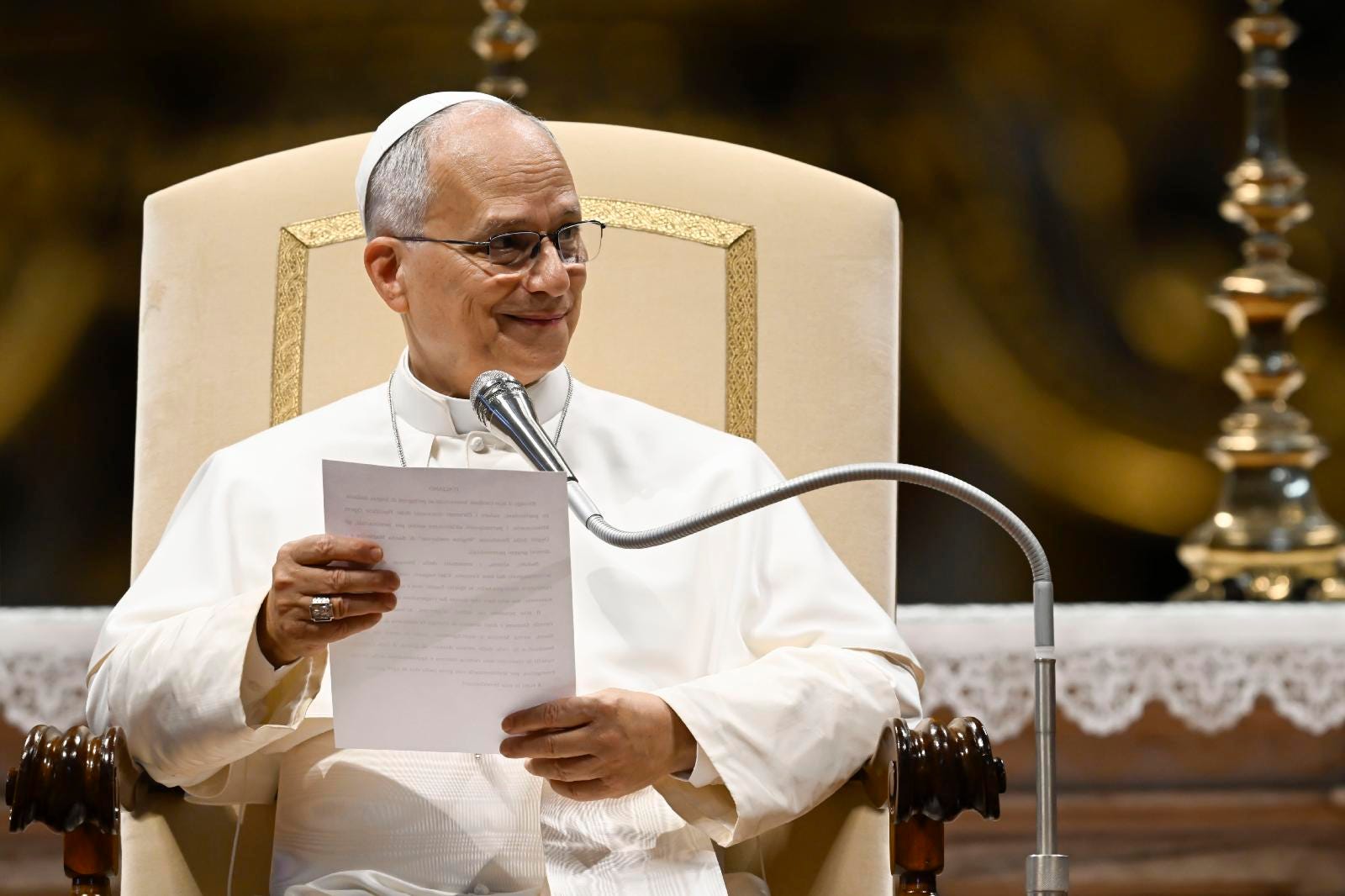
The remarks came on Wednesday, 26 August, in the final instalment of the Pope’s catechesis on Sacrosanctum Concilium, the Council’s Constitution on the Sacred Liturgy. Leo began not with the Council itself but with a letter written in October 1962 by Cardinal Giovanni Battista Montini, the future Pope Paul VI, who argued that Catholics could no longer remain “silent and passive” at Mass, physically present while spiritually absent. Leo connected Montini’s argument directly with Sacrosanctum Concilium 48, which says that the faithful should not be present at the sacred mysteries “as strangers or silent spectators”, but should understand the rites and prayers and participate consciously, devoutly and fully.
From there the Pope made the argument which is likely to prove rather more controversial. The desire for reform, he said, arose from the need to make Scripture and the Church’s prayers more accessible and to “streamline the order of the celebration” found in the existing liturgical books. Since the liturgy is a living reality which has developed through history, the Magisterium has always adapted certain aspects of it according to the needs of different ages. Vatican II therefore acted, Leo said, “with the utmost respect for the heritage of tradition” when it considered the revision of the liturgical books necessary.
He pointed to earlier reforms under Pius XI, Pius XII and John XXIII as evidence that the conciliar reform did not emerge from nowhere, before reaching the conclusion around which much of the subsequent debate has centred: “The liturgical reform promoted by the Second Vatican Council is thus firmly rooted in the living tradition of the Church.”
The Pope was not, it should be said, defending everything that subsequently happened in the name of Vatican II, quite the contrary. He explicitly condemned the abuses that occurred after the Council, and which he acknowledged still occur, when principles of the reform were “taken to extremes or misunderstood”. He reminded priests and bishops of their responsibility to safeguard the liturgy and insisted that the liturgy must be celebrated according to the Church’s norms, with the “noble simplicity” called for by Sacrosanctum Concilium. That is an important qualification, but it does not resolve the central difficulty in the argument.
