


I worry that the present pontificate is in danger of normalising a widening gap between authority and competence, a gap that has worryingly become most visible when senior officials are required to justify contested policies in writing. Two recent interventions from Rome have brought that disjunction sharply into focus. Cardinal Arthur Roche’s consistory essay defending the logic and implementation of Traditionis Custodes, and Cardinal Víctor Manuel Fernández’s meditation to the plenary session of the Dicastery for the Doctrine of the Faith, together offer a concerning insight into the intellectual and institutional fragility now shaping the Church’s central governance.
Cardinal Roche’s essay, intended to reassure and persuade the College of Cardinals, instead exposes the internal incoherence of the policy it defends. As close textual analysis has already shown, the argument depends on claims that are either weakly evidenced or demonstrably misleading. Assertions about widespread episcopal alarm at the growth of the Traditional Latin Mass are presented as settled conclusions, yet the original consultation of bishops does not sustain the interpretative burden placed upon it. The essay functions less as a reasoned justification than as a retrospective legitimisation of a decision already taken, in which selective reference replaces argument and pastoral language obscures the exercise of raw juridical power.
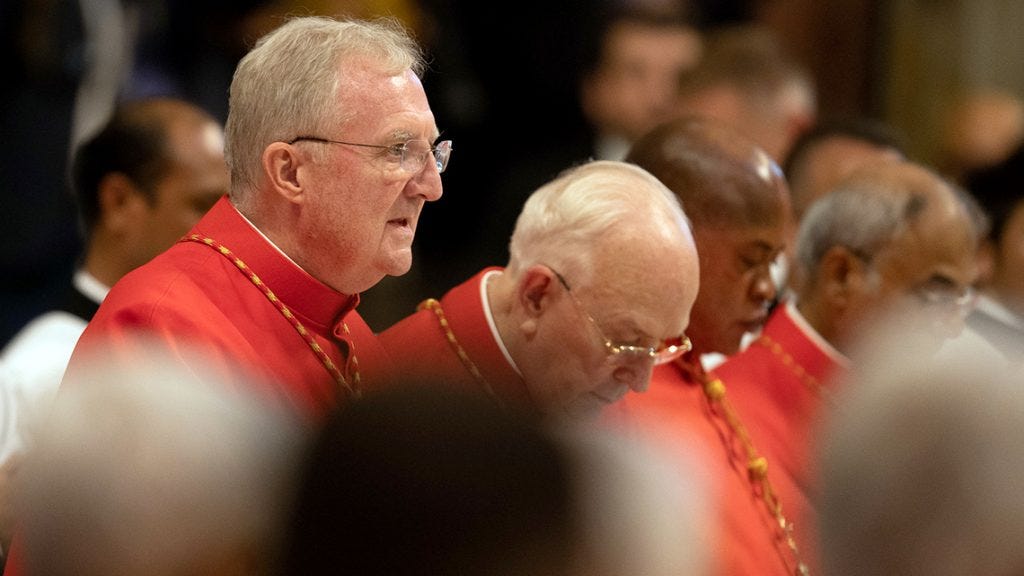
This failure is not merely technical. Traditionis Custodes represents a decisive rupture with Pope Benedict XVI’s affirmation that the older Roman rite was never abrogated and that its continued celebration posed no threat to ecclesial unity. To defend such a reversal credibly requires theological depth, historical literacy and a sacramental understanding of liturgy as a bearer of doctrine and memory. Roche’s intervention reveals none of these in sufficient measure. Liturgy is treated as a variable to be managed rather than as a received inheritance that limits the freedom of ecclesiastical authority itself. The result is an argument that sounds administrative where it should be theological and coercive where it claims to be pastoral.
The inadequacy of Roche’s defence is consistent with the broader pattern of his ecclesiastical career. His elevation to positions of increasing authority has not been accompanied by any corresponding demonstration of intellectual leadership in liturgical theology or pastoral sensitivity to the organic life of tradition. His tenure has instead been marked by procedural rigidity and an apparent incomprehension of the theological seriousness with which many of the faithful approach the Church’s worship. The consistory essay does not merely fail to persuade. It inadvertently confirms the suspicion that its author lacks the formation necessary to occupy the office he holds.
If Roche’s text reveals a deficit of intellectual substance, Cardinal Fernández’s meditation exposes a more troubling absence of doctrinal gravity and humility. Addressing the plenary session of the Dicastery for the Doctrine of the Faith, Fernández was positioned not simply as a participant but as the custodian of an office historically associated with theological precision, restraint and continuity. His remarks, however, are marked by rhetorical self confidence coupled with conceptual vagueness. The language oscillates between exhortation and personal reflection, yet rarely engages the demanding task of doctrinal clarification that the moment requires.
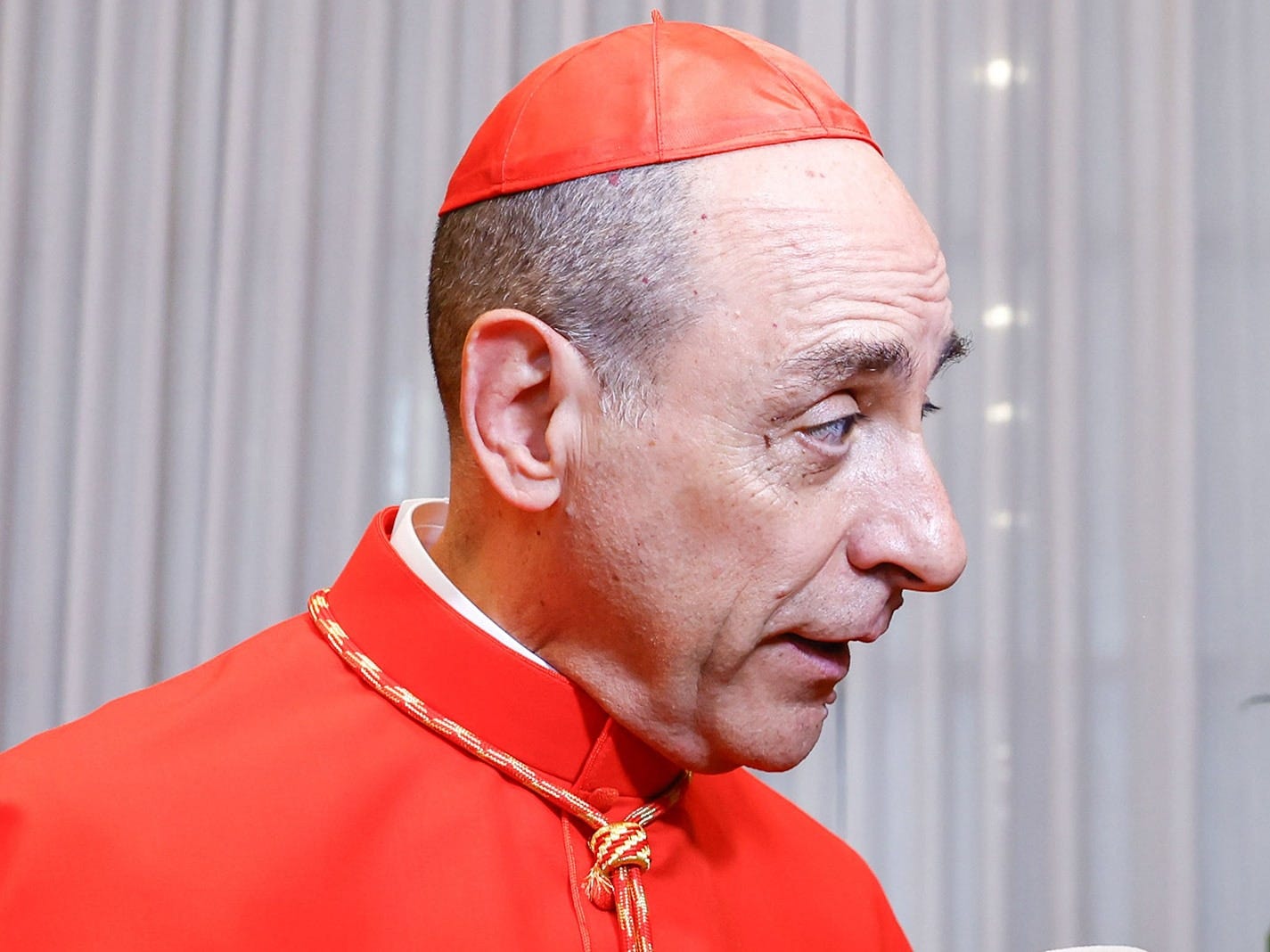
Fernández’s theological trajectory has long been a source of concern. His published work frequently exhibits a preference for ambiguity over definition, and for rhetorical elasticity over conceptual discipline. Such tendencies may be tolerated in speculative theology or pastoral reflection: They become actively dangerous when transferred to an institution charged with safeguarding the coherence of Catholic teaching. The meditation analysed by contemporary commentators only reinforces this judgment. Rather than demonstrating reverence for the weight of tradition or awareness of the limits imposed by the office he now occupies, Fernández appears to conflate authority with spontaneity, as though fidelity to doctrine were best expressed through personal tone rather than disciplined submission to what has been received.
The question that inevitably arises is why men so evidently ill suited to these offices were elevated to them. The answer cannot plausibly lie in their intellectual distinction, theological contribution or capacity to strengthen the Church’s credibility. Nor can it be explained as an unfortunate misjudgement, since the deficiencies now visible were already evident long before their promotions. The more compelling explanation is that both Roche and Fernández were useful.
Under Pope Francis, usefulness increasingly meant a willingness to implement and defend predetermined outcomes without resistance, qualification or appeal to inherited limits. Roche proved useful by executing a centralising liturgical policy with minimal concern for its theological or pastoral fallout. Fernández proved useful by providing doctrinal cover through ambiguity, enabling contested developments to proceed without formal contradiction, while maintaining the appearance of continuity through carefully managed language. In both cases, utility replaced excellence as the decisive criterion for advancement.