


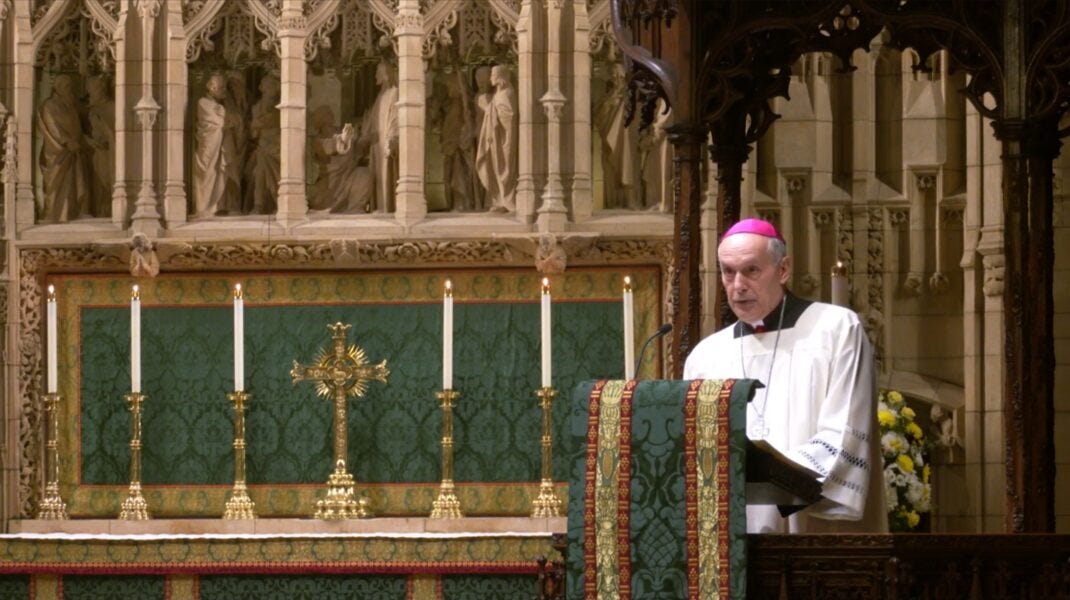
The acceptance of Cardinal Christophe Pierre’s resignation as apostolic nuncio to the United States and the appointment of Archbishop Gabriele Giordano Caccia in his place would already be enough, on their own, to justify serious attention. The United States remains one of the most important diplomatic and ecclesial fronts in the Catholic world, and the nuncio in Washington is never simply an ambassador in the secular sense. He is also a decisive channel through which Rome reads the condition of the American Church and advises on the selection of bishops. The Vatican announced Pierre’s retirement for reasons of age on 7 March and named Caccia, until now the Holy See’s permanent observer to the United Nations in New York, as his successor. The change comes at a moment when Vatican watchers are already reading Leo XIV’s appointments not as isolated personnel decisions but as part of a larger effort to reorder the machinery of papal governance.
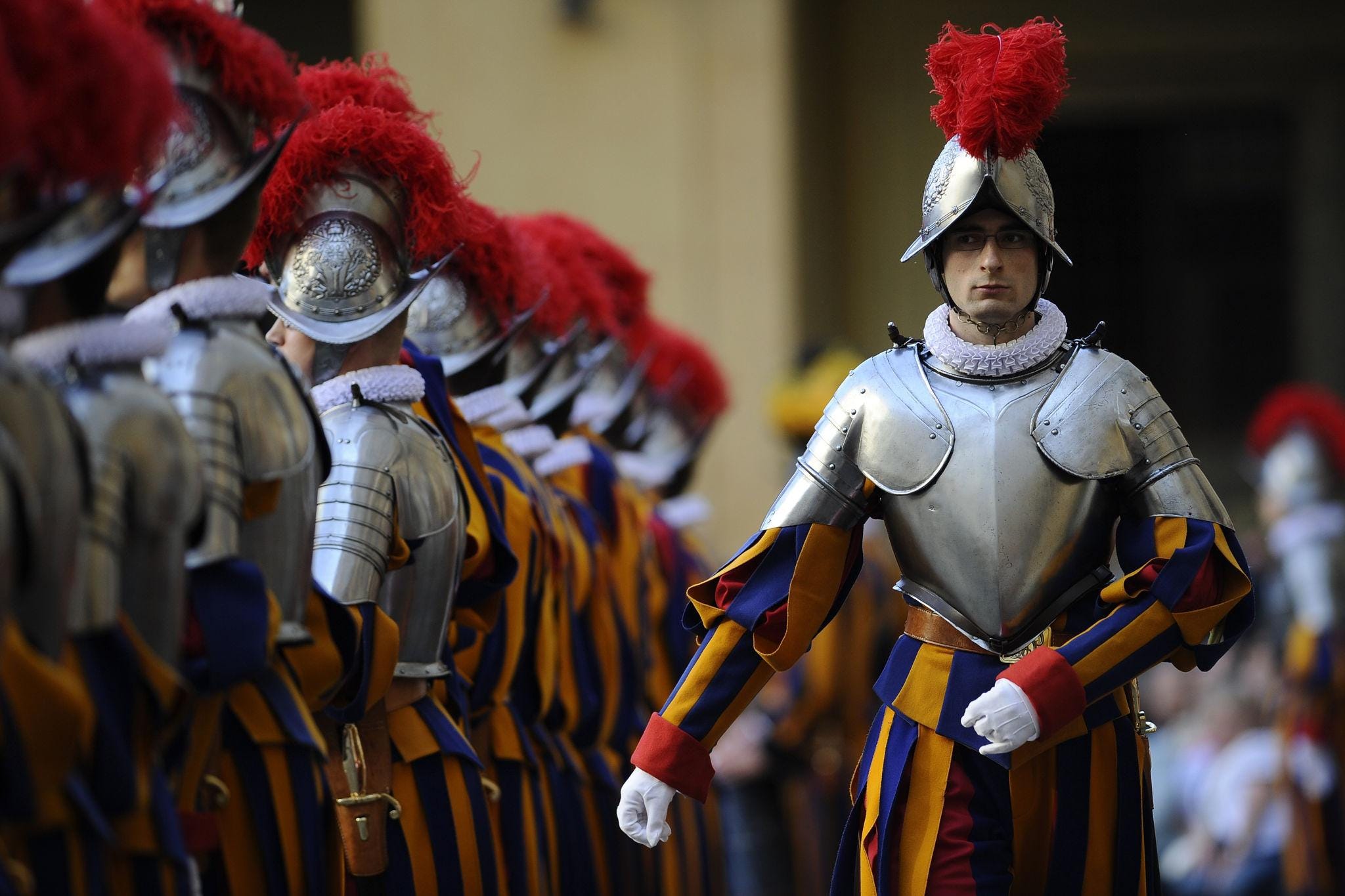
What makes this especially significant is that it should not be read in isolation. Alongside the Caccia move, reports from Rome indicate that Leo XIV has appointed Swiss Guard Lieutenant Anton Kappler as his assistant of the chamber, replacing Piergiorgio Zanetti after the latter’s retirement. At the same time, the Francis era figure Fr. Daniel Pellizzon has now, according to reporting from well-connected observers, been removed from the papal household, while Leo’s household is instead anchored by the Peruvian priest Fr. Edgard Iván Rimaycuna Inga, the Pope’s longtime collaborator, and by Fr. Marco Billeri as second secretary. Rimaycuna’s position was publicly reinforced when Leo made him a Chaplain of His Holiness, formally locating his service within the papal household. Taken together, these moves suggest not a minor reshuffle but a coherent reconstitution of the Pope’s immediate environment, the place where style becomes structure and structure eventually shapes the whole Church.
The first thing to notice is the move from a personalist mode of governance to a more institutional one. Pope Francis often governed through proximity, informality and the use of trusted individuals who operated across the edges of formal structures. Admirers framed this as pastoral freedom and evangelical directness. In reality is seemed to all intents and purposes to simply be improvisation, opacity, and the weakening of stable channels of accountability. Whatever one’s judgment, it produced a Rome in which the distinction between office and access often seemed blurred. That is why seemingly domestic appointments now matter so much. The assistant of the chamber, the papal secretary, the second secretary, the nuncio to Washington: these are not decorative posts. They are the nerve endings of papal government. When Leo XIV fills them with men whose profiles emphasise discipline, professional formation, and institutional reliability, he signals that the centre of gravity is shifting.
What these appointments reveal about the governing style of Leo XIV, and why they mark a decisive departure from the Francis years, becomes clearer when we examine the structure of the papal household itself.