


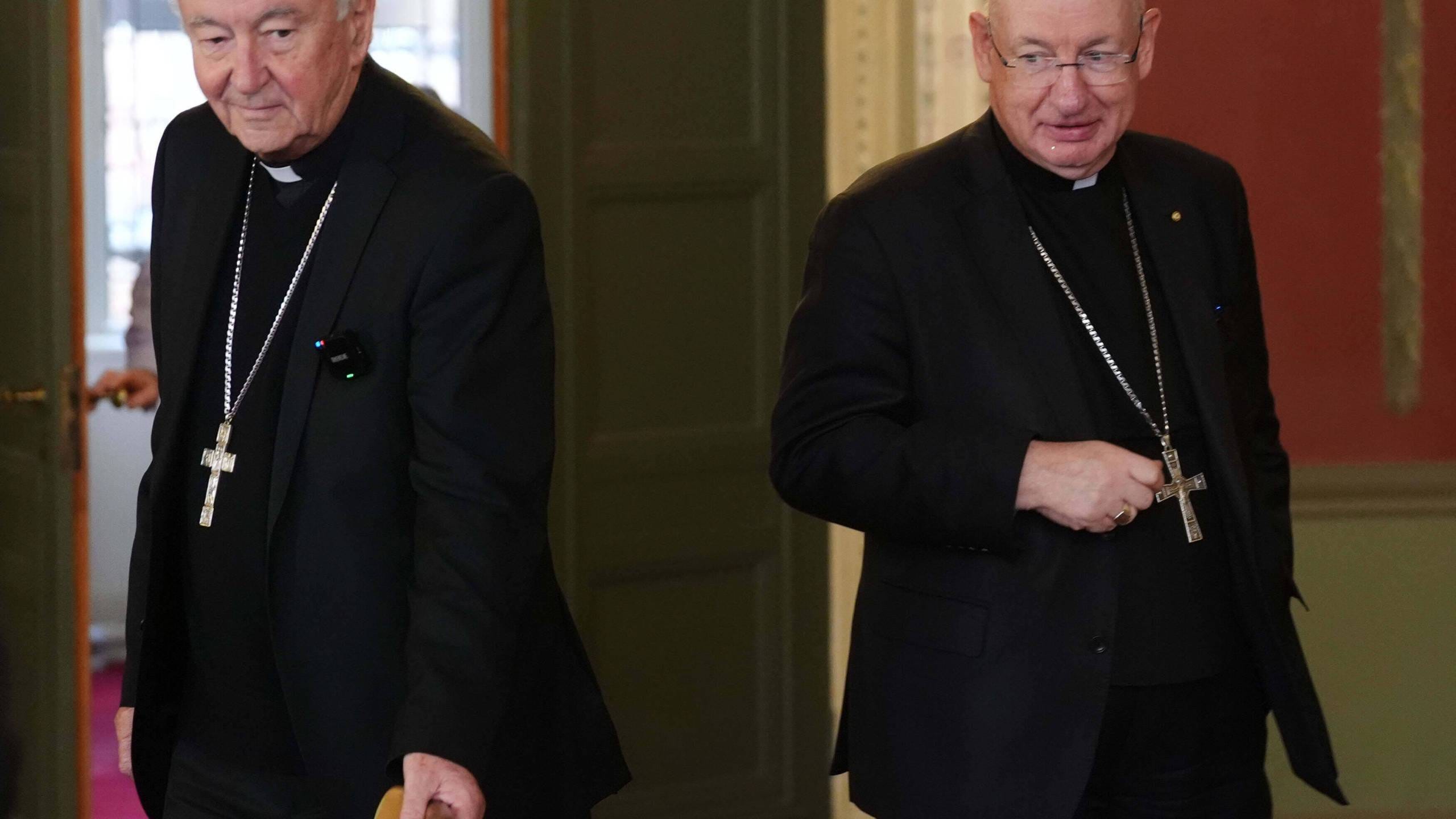
One uncomfortable truth about recent episcopal appointments on both side of the pond is that they reveal less about holiness or vision, and more about institutional fear.
After a series of high-profile implosions here in the UK, bishops undone by past relationships, undisclosed histories, or personal failures, Rome and much of the hierarchy appear to be operating in a defensive crouch. Risk is now the enemy. The overriding priority is not renewal, but containment. The question shaping appointments is no longer “Who will convert, teach, and sanctify?” but “Who is least likely to cause trouble?”
In that context, it is not hard to see why certain figures are quietly passed over. Some bishops are regarded, rightly or wrongly, as risky: too independent, too unpredictable, too willing to speak plainly, too likely to allow awkward truths to surface. Others are seen as safe: men with no visible past, no public controversies, no sharp edges, and no habits that might one day require explanation.
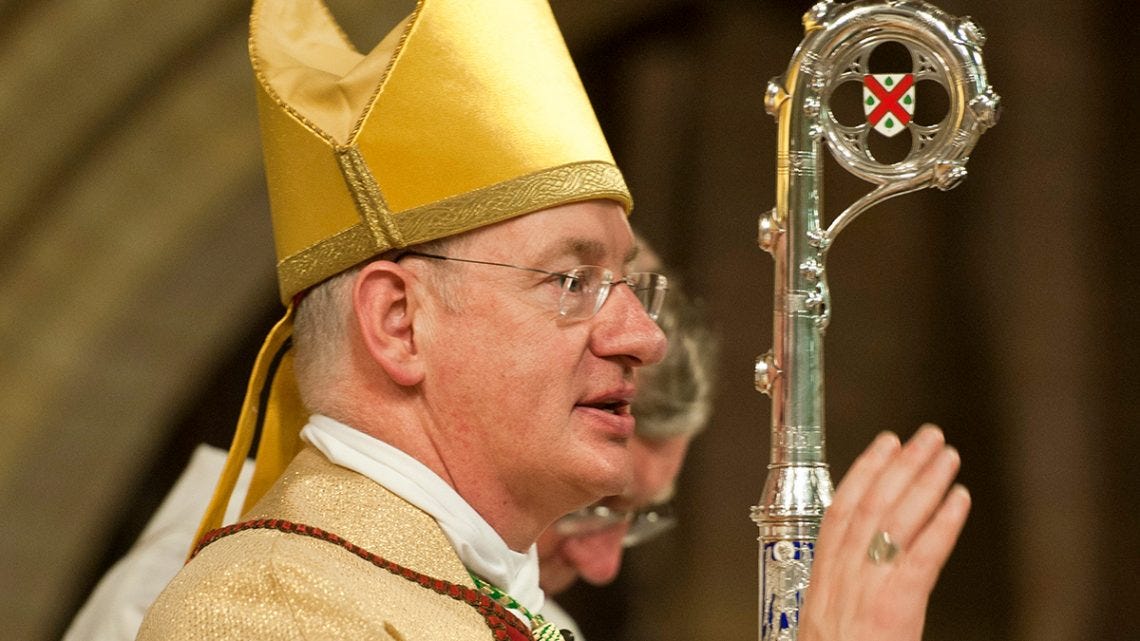
Richard Moth fits that latter profile perfectly.
On paper, he is irreproachable. No scandals. No dramatic positions. A career marked by careful advancement, institutional loyalty, and an evident instinct for survival within complex ecclesial systems. One gets the sense of a man who has lived every stage of his ministry acutely aware that his present would one day become his past, and might be audited accordingly. That kind of caution is often rewarded in bureaucracies, and the modern Church is no exception.
But safety should not be confused with suitability.
Among priests and laity who have worked under him, there is a striking lack of enthusiasm. Criticism tends not to focus on ideology, but on temperament and substance: irritability, thin pastoral presence, weak preaching, and a style of leadership that inspires compliance rather than confidence. He is often described as someone adept at navigating social hierarchies, comfortable with the well-connected and institutionally fluent, but less effective at animating faith, forming disciples, or commanding genuine loyalty from below.
Most concerning is the question of communication. In an age of hostile media and relentless scrutiny, Westminster requires a bishop who can think quickly, speak clearly, and teach compellingly under pressure. A man who struggles to preach with coherence or depth in a pulpit will not suddenly become persuasive under television lights. The fear is not merely dullness, but volatility, that pressure, sooner or later, will expose weakness rather than conviction.
If this analysis sounds harsh, it is worth asking why it feels plausible at all. The Church has reached a point where being a good company man can carry someone further than spiritual fatherhood, theological clarity, or evangelical fire. Advancement increasingly rewards those who manage systems well, avoid controversy, and reassure superiors, rather than those who unsettle complacency by preaching the Gospel in season and out of season.
That is the real scandal. Not that a particular individual has risen, but that the system increasingly rewards those who offend least rather than those who can lead most.
